Coastal and marine ecosystems are among the world’s most productive and valuable natural environments, providing essential ecological services, supporting biodiversity, strengthening local economies, and sustaining the livelihoods of millions of people. At Tanzania Green Revive (TGR), we are committed to protecting and restoring these critical ecosystems to ensure their long-term health, resilience, and sustainability.
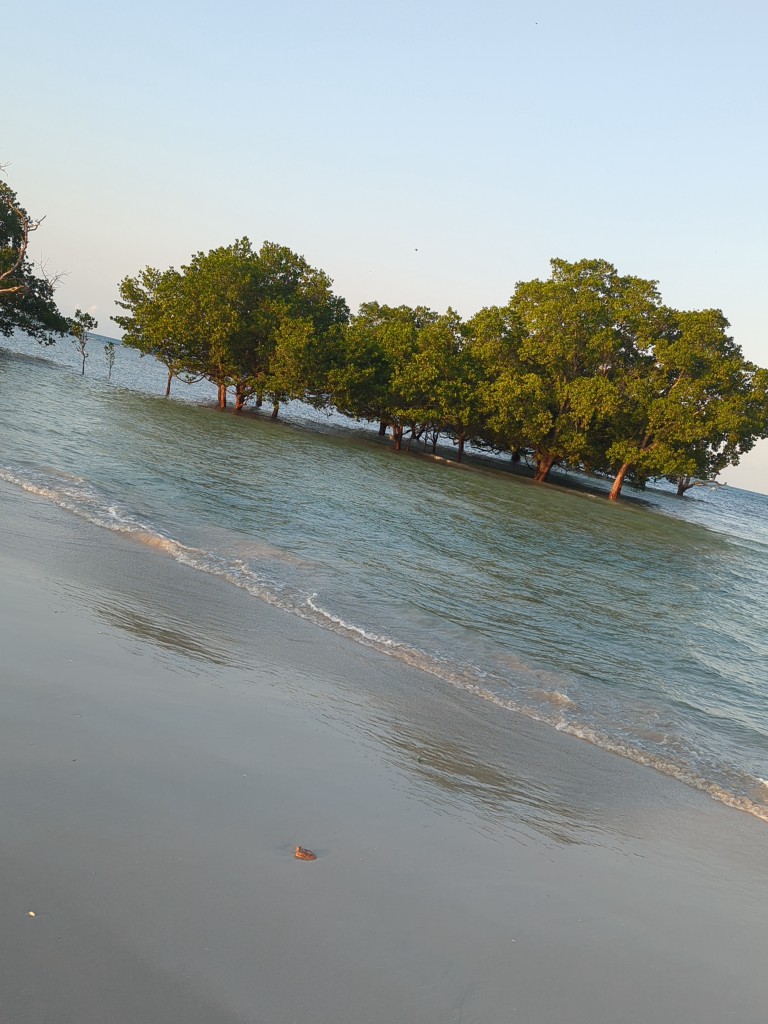
Mangrove forests, coral reefs, seagrass meadows, estuaries, beaches, and coastal wetlands serve as vital habitats for countless marine species while protecting shorelines from erosion, storms, and rising sea levels. These ecosystems also support fisheries, tourism, transportation, and other economic activities that are fundamental to the well-being of coastal communities.
In addition to their ecological importance, coastal and marine ecosystems play a significant role in addressing climate change. Often referred to as part of the planet’s “blue carbon” ecosystems, mangroves, seagrasses, and salt marshes capture and store large amounts of carbon dioxide—often at rates significantly higher than many terrestrial forests—making them powerful natural solutions for climate change mitigation. Protecting these ecosystems helps reduce greenhouse gas concentrations while preserving biodiversity and strengthening climate resilience.
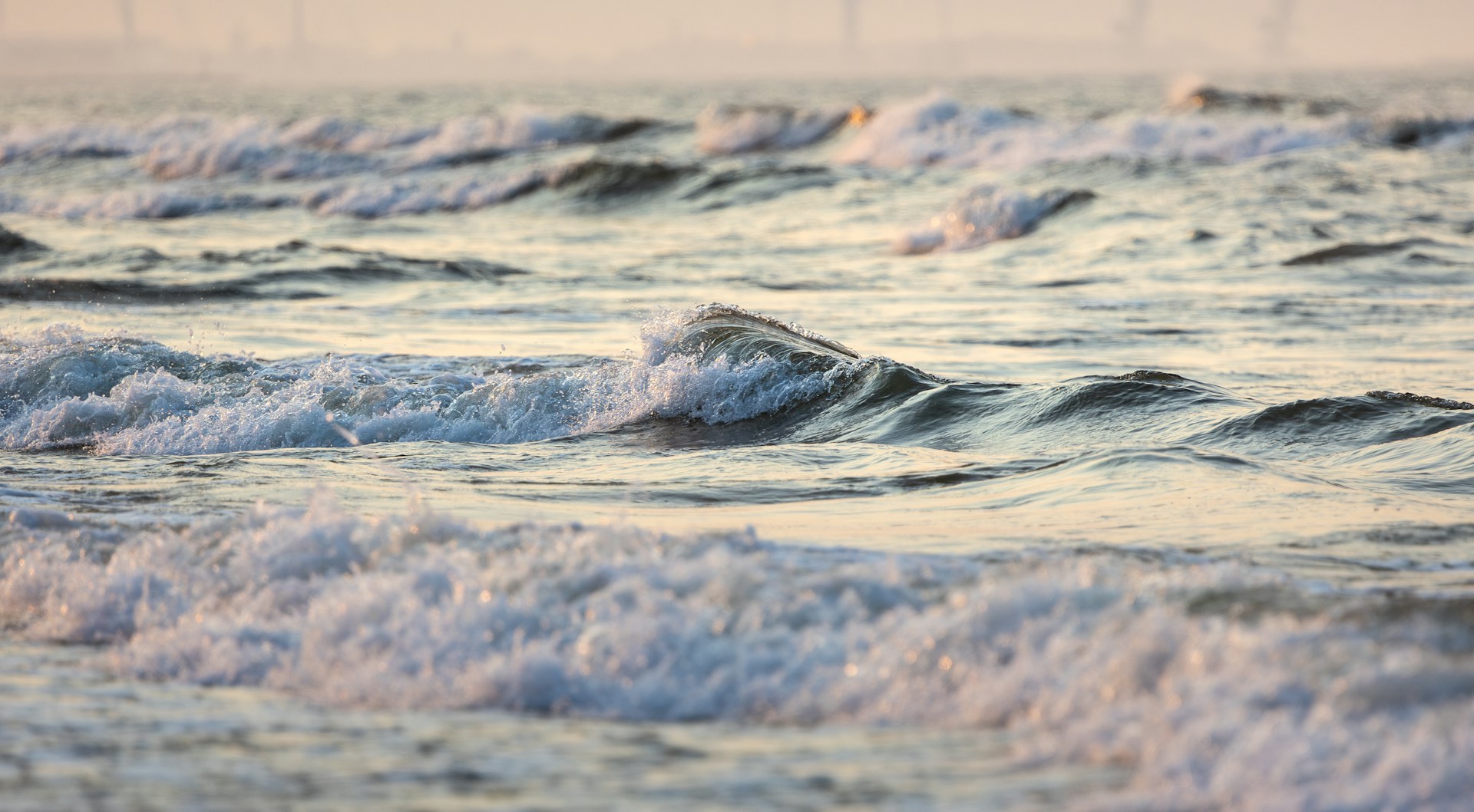
Despite their importance, coastal and marine environments face growing threats from pollution, habitat destruction, unsustainable fishing practices, climate change, coastal development, and marine plastic waste. These pressures not only degrade natural habitats but also threaten food security, biodiversity, and the livelihoods of communities that depend on healthy oceans.
TGR works collaboratively with coastal communities, conservation partners, government institutions, and other stakeholders to promote sustainable marine resource management, environmental education, ecosystem restoration, and community-led conservation initiatives. We believe that protecting our oceans and coastlines is essential for creating a sustainable future where both nature and people can thrive.
We support the conservation and restoration of mangrove forests, coral reefs, seagrass beds, coastal wetlands, and other critical habitats that protect biodiversity and strengthen coastal resilience.
We promote environmental education and public awareness initiatives that encourage responsible stewardship of marine ecosystems and highlight the importance of healthy oceans for present and future generations.
We advocate for the sustainable use of marine and coastal resources by encouraging responsible fishing practices, ecosystem-based management, and conservation measures that protect long-term marine productivity.
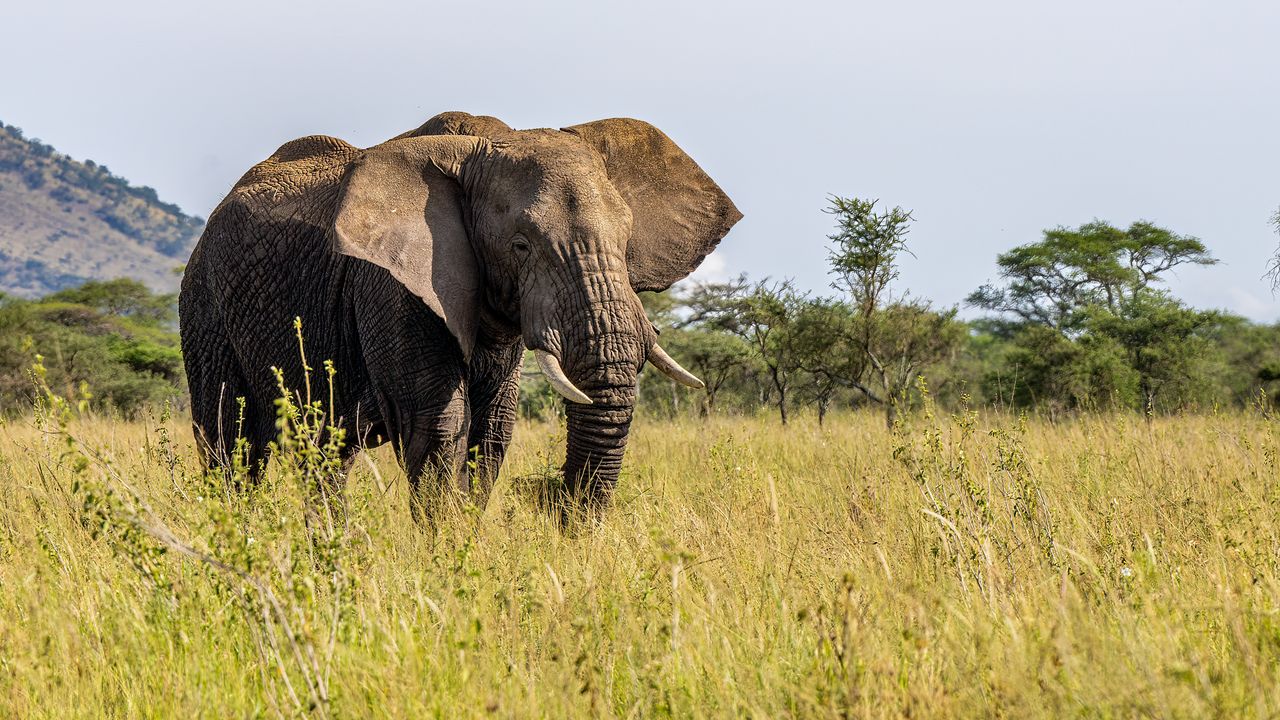
We support initiatives that safeguard marine species and coastal biodiversity by protecting breeding grounds, restoring degraded ecosystems, and reducing threats to wildlife and their habitats.
We empower coastal communities to actively participate in marine conservation through education, capacity building, sustainable livelihood opportunities, and community-based environmental management.
We promote the protection and restoration of mangroves and other blue carbon ecosystems that capture and store carbon, reduce coastal erosion, improve water quality, and help communities adapt to the impacts of climate change.
Healthy coastal and marine ecosystems are essential for protecting biodiversity, supporting fisheries, sustaining tourism, reducing the impacts of climate change, and improving the resilience of coastal communities. By conserving these ecosystems today, we protect invaluable natural resources, strengthen local livelihoods, and ensure that future generations continue to benefit from Tanzania’s rich coastal and marine heritage.